
Meditation is usually presented as one of the best things you can do for your mental health. Sit down, follow the breath, notice your thoughts, and gradually become calmer, clearer, and slightly less likely to lose your temper over something completely minor.
For many people, that is broadly what happens. Meditation can reduce stress, improve attention, and make difficult thoughts or emotions feel a little easier to handle. But is meditation safe for everyone, or are there situations where sitting quietly with your own mind can actually make things worse?
Meditation is safe and incredibly helpful for many people, but it’s not completely risk-free or suitable in the same form for everyone. Some people may experience increased anxiety, panic, traumatic memories, dissociation, sleep problems, or emotional distress, particularly during intensive or unsupported practice. Shorter sessions, open eyes, movement, external sensory anchors, and professional guidance can make meditation safer.
That answer might sound more cautious than the usual advice, but it’s also more honest.
Meditation changes what you pay attention to. It reduces some of the usual distraction and brings you into closer contact with thoughts, emotions, memories, and physical sensations that may normally sit further in the background. For someone who feels reasonably stable, that can be useful. But for someone dealing with trauma, panic, dissociation, severe anxiety, or another serious mental-health difficulty, the same inward focus can sometimes feel overwhelming.
That doesn’t mean meditation is inherently bad, and it doesn’t mean people with mental-health conditions should automatically avoid it. It just means the details matter. A ten-minute guided meditation with your eyes open is very different from spending several hours in silence at a retreat.
It also means feeling worse isn’t something you should automatically treat as progress. Some discomfort is completely normal when you slow down and become more aware of what the mind is doing, but escalating panic, flashbacks, feeling unsettled or detached, severe agitation, or losing sleep are not signs that you need to meditate harder. They’re signs that the practice may need to change, or that it may be better to stop and get some support.
With that said, this guide isn’t here to frighten anyone away from meditation. It’s here to give a more honest picture of where the practice can become difficult, and how it can be adapted to feel safer and more manageable. We’ll look at why meditation sometimes makes people feel worse, who may need to approach it with more care, how to tell ordinary discomfort from a genuine warning sign, and what to do if traditional sitting meditation doesn’t feel right for you.
Contents
- Is Meditation Generally Safe?
- Why Can Meditation Sometimes Make People Feel Worse?
- Can Meditation Make Anxiety or Panic Worse?
- Is Meditation Safe for Trauma Survivors?
- Meditation and Dissociation
- What About Depression, OCD, Bipolar Disorder or Psychosis?
- Normal Discomfort or a Warning Sign?
- A Safer, More Flexible Way to Meditate
- Frequently Asked Questions
- Closing Thought
Is Meditation Generally Safe?
For most people practicing for a few minutes at home, meditation is low-risk, and in fact many of the benefits of regular meditation are supported by a growing body of research. It’s been studied in connection with stress, anxiety, depression, pain, sleep, and attention, and many people find it genuinely useful.

However, “low-risk” is not the same as “risk-free”.
The National Center for Complementary and Integrative Health points to a review involving more than 6,000 people in which around 8% reported a negative effect from meditation, most commonly anxiety or depression. Now to be fair, that figure needs some context… A negative effect could cover a wide range of experiences, from a temporary increase in distress to something more disruptive, and the studies didn’t record or define adverse experiences in the same way. But even so, it challenges the assumption that meditation can only help, and that anyone who struggles with it must simply be practicing incorrectly.
It’s also worth stating there’s another limitation in the research, which is that meditation studies have traditionally been much better at measuring benefits than potential risk or harm. Participants are routinely asked whether their anxiety improved or their stress levels fell, but they haven’t always been asked with the same care whether the practice caused panic, disturbed their sleep, brought up traumatic memories, or left them feeling less stable. A systematic review of meditation-related adverse effects found that unwanted psychological and physical experiences were reported across many styles of practice, but the quality of safety reporting varied considerably.
Now keep in mind, none of this cancels out the substantial research showing that meditation can be helpful. It simply gives a fuller picture. If you read about the science behind mindfulness, you’ll find promising evidence alongside important limits in what researchers can confidently claim. The same is true of the benefits associated with regular meditation – these benefits are real for many people, but it’s important to be clear that these benefits are averages across groups rather than guarantees for every individual.
It also matters what researchers mean when they use the word meditation. A structured eight-week mindfulness course led by a trained teacher isn’t the same as following an intense breathing exercise you found online. Ten minutes of guided attention is not the same as several days of silence and prolonged inward focus. Studies of one method can’t automatically tell us that every other method is equally safe, particularly when the length, setting, teacher, and health of the participants might be completely different.
So the most accurate answer is that meditation is generally safe for most people when it’s practiced at a manageable intensity, but individual responses vary. Your own experience matters more than the reputation of the practice, and if meditation regularly leaves you more distressed, less grounded, or less able to manage the rest of your day, that deserves attention even if somebody else finds the same technique calming.
Why Can Meditation Sometimes Make People Feel Worse?
For most of us during an average day, our attention is constantly being pulled outward. Messages to answer, conversations to follow, jobs to finish, and plenty of ways to avoid sitting with anything uncomfortable for very long. Meditation removes a decent chunk of the chaos in the mind associated with that activity, and once the usual distractions take a back seat, thoughts and feelings that were already present can become much easier to notice.
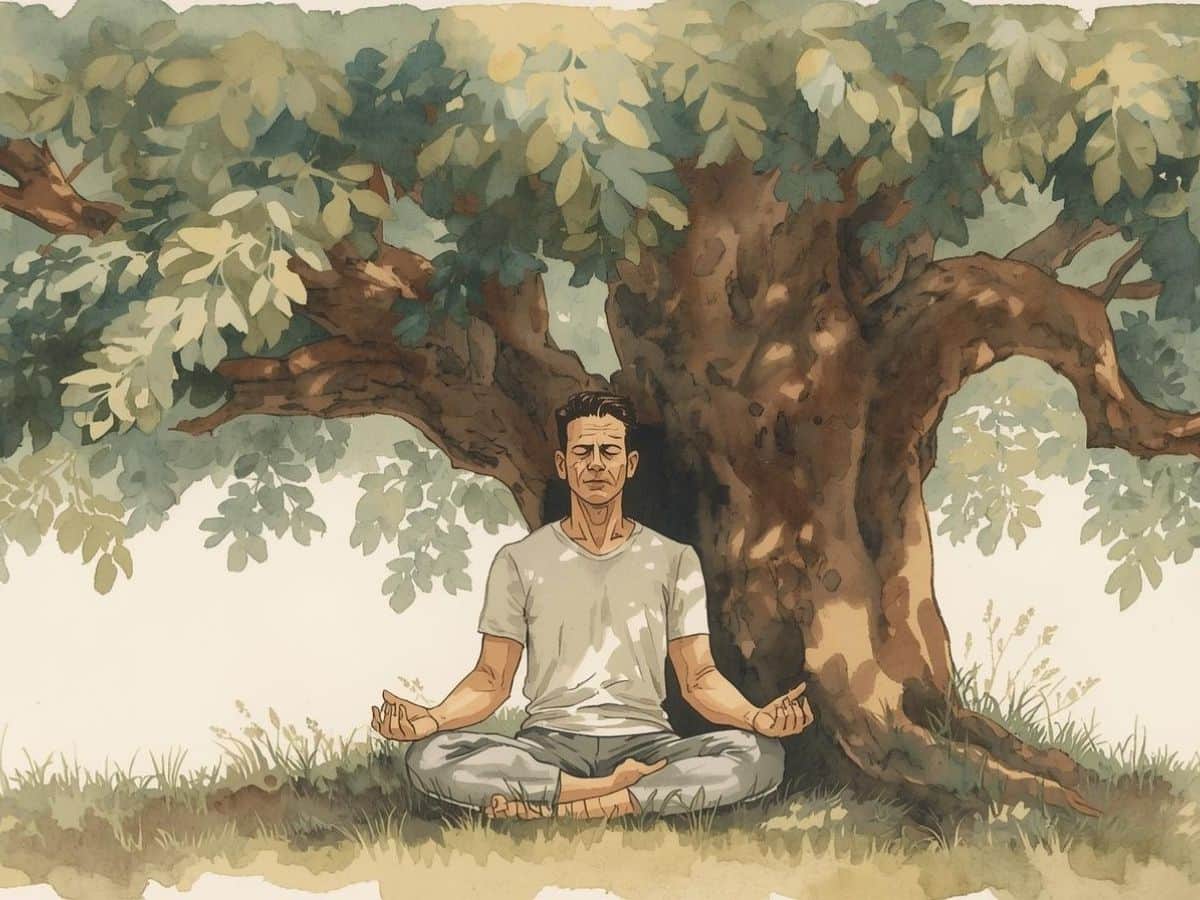
Sometimes that’s incredibly helpful – you recognise that you’ve been carrying more tension than you realised, or that a particular worry has been shaping your mood all day. But greater awareness doesn’t automatically make an experience easier to handle. If what comes into focus is panic, a traumatic memory, an intrusive thought, or an intense physical sensation, the sudden lack of distance from it can feel unsettling.
And this is where three slightly different things can happen…
In some cases, meditation reveals a difficulty that was already there but less visible. The practice hasn’t created the anxiety or sadness, but it might feel that way because this is the first time you’ve encountered it without the usual distractions. In other cases, meditation can intensify an existing problem by directing sustained attention towards it. If you’re someone who’s highly sensitive to their heartbeat, breathing, or chest sensations, you may become more anxious when asked to focus closely on the body, even though another person might find the same instruction grounding.
There are also situations (although they’re somewhat rare) where the practice itself may actually contribute to the problem. Very long sessions, intense concentration, sleep disruption, forceful breathing exercises, or prolonged isolation can place demands on the mind that bear very little resemblance to a simple ten-minute meditation at home. This is one reason it makes little sense to talk about meditation as though every method and setting carries the same level of risk.
The way an instruction is understood can matter too. You might hear “stay with the feeling” and assume you should remain with rising panic no matter how distressed you become. Whereas another person may interpret “observe your thoughts” as a need to monitor every mental event with exhausting precision. Neither response is required by meditation, but both can turn a useful practice into something rigid and overwhelming.
This can be particularly difficult when you’ve been told that discomfort is always a sign of growth – it isn’t. Some discomfort is part of learning to sit with the mind, especially when working with difficult emotions, but there’s a meaningful difference between noticing discomfort and becoming increasingly destabilised by it.
The same principle applies to anxiety. Meditation may help you recognise anxious thinking sooner, but certain methods can also draw more attention towards the sensations you already fear. If closely following the breath makes you more panicked and unsettled, that doesn’t mean you won’t benefit from meditation for anxiety, but it could simply mean the breath is the wrong anchor for you at that moment.
A sound in the room, the feeling of your feet against the floor, or the sight of an object in front of you may offer a better point of attention for you personally. These alternatives don’t make the practice less legitimate, they just recognise that awareness can be trained in many ways, and that turning inward is not always the safest or most useful place to begin.
So when meditation makes you feel worse, the answer is rarely as simple as saying that the practice is harmful or that you need to push through. The more useful question is what the practice is bringing into focus, how strongly you’re reacting, and whether the method gives you enough choice and stability to remain connected to the present moment.
Can Meditation Make Anxiety or Panic Worse?
Meditation can absolutely help with anxiety, but that doesn’t mean every form of meditation will feel calming to everyone. If you’re already frightened by what’s happening inside your mind or body, certain practices can make those sensations feel more noticeable and, in some cases, more difficult to manage.

Panic often involves becoming highly alert to physical changes and then worrying about what they mean. Your breathing shifts, your heart speeds up, your chest feels tight, or you begin to feel dizzy or unreal. Once attention locks onto one of those sensations, it can quickly become threatening. You monitor it more closely, the anxiety rises, and the body responds with even more of the sensations that frightened you in the first place.
This is why focusing on the breath doesn’t always help. If you’re already worried about your breathing, paying close attention to every inhale and exhale can make something automatic begin to feel strangely deliberate. You may start checking whether the breath is deep enough, smooth enough, or happening at the right speed, until it feels like one more thing you have to control.
Forcing yourself to breathe in a particular way can also cause a similar problem. Breathing exercises are often presented as though they work in the same way for everyone, but they don’t. If controlling the breath makes you feel light-headed, short of breath, trapped, or increasingly aware of your chest, there’s no reason to keep doing it simply because it’s supposed to calm you down.
That doesn’t mean meditation is unsuitable if you experience panic – it may just mean the breath isn’t the best place for your attention right now.
Again, you could focus on a sound instead, such as birds outside, traffic in the distance, or the hum of something in the room. Keeping your eyes open and noticing colour, shape, and light can also stop attention becoming completely absorbed in what’s happening inside the body. The point is to give the mind something reliable to return to without asking it to inspect the very sensations it already finds frightening.
Movement can be useful for the same reason. Walking meditation lets you practice awareness while the body is doing something familiar, and the contact between your feet and the ground can feel more reassuring than sitting still and monitoring the chest. Mantra meditation offers another option, because a repeated word or sound gives attention a clear rhythm to follow without requiring close observation of the body.
A guided meditation may also feel easier than sitting in silence. Regular instructions give the mind something to follow and can stop attention narrowing around one difficult or threatening sensation. Long gaps between instructions may be less helpful when you’re already anxious, so understanding the difference between guided and unguided meditation can help you choose the amount of support you feel you need.
It’s also sensible to keep the session short, and if anxiety starts building after three or four minutes, ending there isn’t avoidance and it isn’t failure. You’re just finding the point where the practice stops being useful. A short meditation for anxiety that leaves you feeling present is far more valuable than a longer session that takes hours to recover from.
If panic does start to set in, you don’t need to stay still and watch it unfold. Open your eyes, look around the room, and remind yourself where you are. Move your hands and feet, stand up, or walk for a moment. Meditation shouldn’t take away your ability to respond to what you need, and stopping the session is often the best option in that instance.
The real question isn’t whether a particular technique is commonly recommended for anxiety. It’s whether that technique helps you stay connected to the present without increasing your fear. If the breath makes you panic, use sound. If stillness feels trapping, move. If silence leaves too much space for anxious monitoring, choose some guidance. Meditation is flexible, and the practice should change to meet your needs rather than asking you to force yourself through a method that clearly isn’t helping.
Is Meditation Safe for Trauma Survivors?
Trauma can change the way your nervous system responds to stillness, uncertainty, and feeling out of control. For one person, sitting quietly may create enough space to settle. For someone else, removing the usual distractions can bring memories, emotions, images, or physical reactions much closer to the surface.
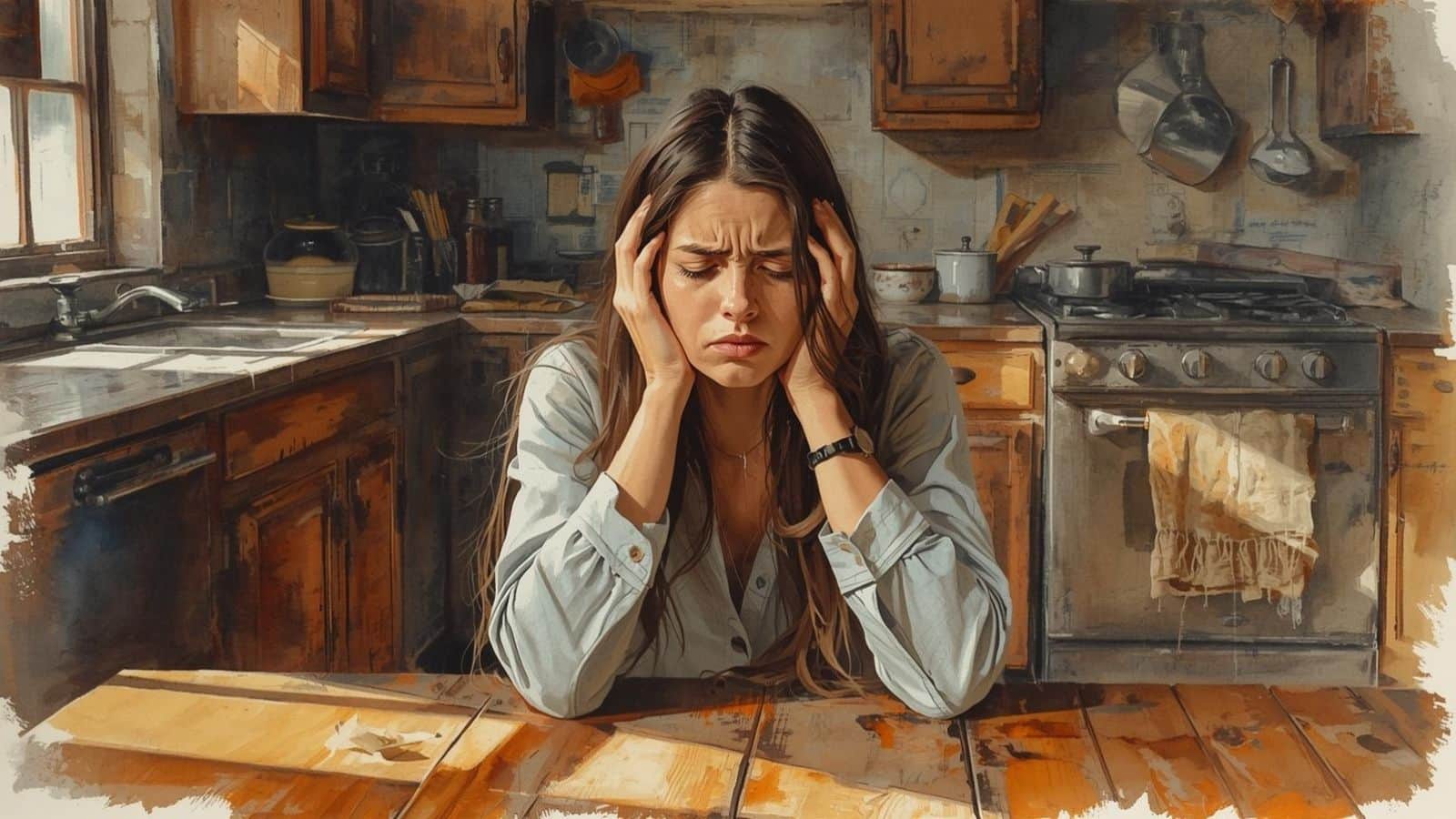
That doesn’t mean they’re unwilling to be present or somehow doing meditation badly. The difficulty is that the present moment may contain sensations their mind and body have learned to treat as threatening. Something as simple as closing the eyes, sitting still, or noticing the body can feel very different when those experiences are connected to fear or a loss of control.
This is why choice is so important in trauma-sensitive meditation. Instructions should feel like options rather than demands. You can close your eyes, but you can also leave them open. You can notice the body, but you can focus on a sound or something you can see instead. You can stay seated, move around, stand up, or stop whenever you need to.
Having those choices can help you feel more in control of what’s happening. That matters for anyone whose trauma involved feeling trapped, powerless, or unable to leave. A meditation that takes away your sense of choice may recreate part of the problem rather than helping you feel safer.
Body-focused practices also need a bit of care. A body scan meditation can help some people reconnect with physical sensations gradually, but it won’t feel grounding for everyone. Certain parts of the body may feel numb, painful, unsafe, or closely connected to what happened. If focusing on an area starts to feel distressing, there’s no need to stay there. You can move past it, return to somewhere more neutral, or shift your attention outside the body completely.
The same applies to closing your eyes. Some people find it easier to concentrate without visual distraction, while others immediately feel more vulnerable or disconnected from the room. Keeping your eyes open can help you remember where you are and what’s around you. Looking towards a door, a window, or a familiar object can give you a stronger sense that you’re here in the present, rather than being pulled back into something your nervous system is remembering.
It can also help to begin by noticing your surroundings before turning attention inward. Look around the room and notice the light, the colours, the shapes of nearby objects, and the contact between your feet and the floor. Give yourself a moment to feel where you are before deciding whether focusing on thoughts, emotions, or physical sensations feels comfortable.
Trauma-sensitive meditation often works better in small amounts too. You don’t need to remain with a difficult sensation until it becomes overwhelming. You might notice it briefly, then return to something neutral or slightly more reassuring. Attention can move between what feels unsettled and what still feels safe enough. The aim isn’t to prove that you can tolerate distress for longer – it’s to approach difficult experience without losing touch with the present.
Journaling can sometimes offer another way in when silent meditation feels too exposed. Writing gives you more control over the pace, and you can stop whenever you need to. Combining a short meditation with mindfulness journaling may help you recognise what’s coming up without asking you to stay immersed in it for too long.
Support can make a real difference as well. Mindfulness-based approaches have shown promise for some people with post-traumatic stress, but that doesn’t mean every self-guided meditation will be suitable for every trauma survivor. A trauma-informed therapist or experienced teacher can help adjust the practice, recognise when it’s becoming too much, and make sure meditation is supporting appropriate care rather than replacing it.
The safest practice is one that leaves you with genuine choice from beginning to end. You should be able to slow down, look around, change the focus, move, or stop without feeling that you’ve failed. For trauma survivors, that freedom isn’t a minor detail. It’s often what allows meditation to feel possible at all.
Meditation and Dissociation
Dissociation can be hard to recognise during meditation because it doesn’t always feel obviously unpleasant while it’s happening. You might feel blank, distant, numb, or strangely separate from your body and the room around you. Time can become harder to follow, thoughts may feel far away, and the whole session can take on a hazy quality that might even seem peaceful at first.
That’s where things can become confusing. Meditation is often described using words such as spaciousness, detachment, and letting go, so it’s easy to assume that feeling far away from yourself must mean you’ve entered a particularly deep state. But feeling calm and feeling disconnected aren’t the same thing.

When you’re settled in meditation, there’s usually still some awareness and choice present. You know where you are, you can respond to what’s happening, and you can end the session without struggling to return to everyday life. Dissociation feels different, and you may feel absent rather than present, cut off rather than relaxed, or unable to fully reconnect with yourself once the meditation has finished.
The difference often becomes clearer afterwards. A meditation may leave you tired, emotional, or thoughtful, but you should still feel broadly like yourself. A dissociative experience can leave you foggy, numb, or disconnected from the people and surroundings around you. Sometimes that feeling passes fairly quickly, but it can also linger and make the rest of the day more difficult.
This is why unusual experiences during meditation shouldn’t automatically be treated as signs of progress. The most reliable signs that meditation is working tend to appear through greater awareness, more choice in how you respond, and a stronger ability to remain present when something difficult happens. Feeling further removed from yourself isn’t necessarily evidence that you’ve reached a deeper level of insight.
Some meditation instructions can also make the problem harder to recognise if you’re already prone to dissociation. Being told to “step back from experience”, “detach from your thoughts”, or observe the body from a distance may increase a sense of separation that’s already too strong. More abstract practices exploring the nature of the self can also feel destabilising when your basic sense of being present and real doesn’t feel secure, and there’s no need to pursue those methods simply because they’re described as advanced.
If you notice yourself slipping into a blank or disconnected state, you don’t need to keep studying the experience. As we touched on in the previous section, it’s usually better to move attention away from deep inward focus and reconnect with something definite. Say your name, the date, and where you are. Hold an object and notice its texture, speak to someone nearby, walk around the room, or complete a physical task that helps you feel present again.
It may also help to choose a practice or style of meditation that gives your attention more structure. A clear guided meditation, mindful walking, listening to sounds, or noticing objects around you can make it easier to stay connected than long stretches of silence. Exploring different types of meditation can help you find an approach that develops awareness without asking you to withdraw too far from the world around you.
Shorter sessions are usually a sensible place to begin. Finish while you still feel present and oriented, rather than waiting for the sense of distance to become overwhelming. If dissociation keeps happening, continues after the meditation has ended, or begins affecting your ability to function, it’s worth pausing self-guided practice and speaking with a trauma-informed mental-health professional before continuing.
Meditation should help you feel more present in your life, not less connected to it. If a particular method repeatedly leaves you feeling absent, or far away from yourself, changing the practice isn’t avoiding the work. It’s recognising that presence may need to be built through contact with the world around you, rather than by moving further inward.
What About Depression, OCD, Bipolar Disorder or Psychosis?
Having a mental-health condition doesn’t automatically mean meditation is unsafe, but it can affect how useful the practice feels, where problems might arise, and whether some extra support would be sensible.

It’s also important to separate self-guided meditation from a structured mindfulness-based treatment. A programme such as Mindfulness-Based Cognitive Therapy follows a clinical framework and is usually delivered by someone trained to recognise when a participant is struggling. That’s quite different from choosing a meditation online and assuming it’ll be suitable simply because it’s described as calming or “beneficial”.
Depression
Mindfulness-based approaches can be genuinely helpful for depression, particularly when they help you recognise familiar thinking patterns before they gather momentum. Mindfulness-Based Cognitive Therapy is also used to help some people with recurrent depression reduce the risk of relapse.
The difficulty is that depression can make inward attention feel heavy and repetitive. Instead of noticing a thought and allowing it to pass, you may spend the session going over regrets, perceived failures, hopeless predictions, or everything you believe is wrong with you. From the outside, you’re still meditating, but inside, you might just be spending twenty minutes reinforcing the same depressive loop.
That doesn’t mean every painful thought needs to be avoided. As we’ve already discussed, meditation can make difficult thoughts and feelings more visible. But there’s a difference between recognising a thought and gradually sinking further into it. If meditation regularly leaves you more withdrawn, more hopeless, or less able to engage with the rest of your day, it might not be helping in the way you intended.
A more structured practice can sometimes work better because it gives attention somewhere clear to return to, which leaves less room for long stretches of silence to descend into rumination. It’s also important that meditation sits alongside the other things that support recovery, such as daylight, movement, routine, social contact, therapy, and any appropriate medical treatment. Meditation may help with difficult emotions, but it shouldn’t become a way of withdrawing from life.
OCD
Likewise, meditation can help with obsessive-compulsive disorder, particularly by helping you notice an intrusive thought without immediately reacting to it. But it can also become tangled up with OCD in ways that aren’t always obvious, so the purpose of the practice matters enormously.
OCD isn’t simply a matter of thinking too much. It usually involves an intrusive thought, image, feeling, or doubt, followed by an urge to reduce the anxiety it creates. That response might involve checking, seeking reassurance, avoiding something, mentally reviewing what happened, or performing another compulsion until things feel safe or certain again.
Mindfulness can be useful when it helps you recognise that cycle without automatically following it. You notice that the intrusive thought has appeared, acknowledge the anxiety it brings, and allow some uncertainty to remain without trying to settle the question immediately. The aim isn’t to prove the thought wrong or make yourself feel perfectly calm – it’s to see what the mind is doing and choose not to give the obsession the response it’s demanding.
Meditation becomes less helpful however, when it’s used as attempt to completely remove the anxiety. You might repeat the same session until you feel “right”, monitor your thoughts to check whether the obsession has gone, or use a mantra to cancel out something frightening. You might even feel unable to continue with your day until meditation has given you enough relief, and in those situations, the practice has started functioning like a mental compulsion.
The difference can be subtle because both versions may look identical from the outside. In one, you’re meditating while allowing the thought and uncertainty to exist without acting on them. In the other, you’re meditating specifically to get rid of the thought, neutralise its meaning, or reassure yourself that everything is safe. The first can support a healthier response to OCD, but the second may strengthen the belief that the obsession must be resolved before you can move on.
That’s why meditation shouldn’t become a test of whether you’ve achieved the correct internal state. You don’t need to finish feeling calm, certain, or free of intrusive thoughts for the session to have been useful. In fact, being able to notice an obsession, feel some discomfort, and then return to daily life without performing a compulsion may be far more valuable than reaching temporary relief.
Mindfulness can work alongside established OCD treatment, particularly cognitive behavioural therapy with exposure and response prevention. ERP involves facing the thoughts or situations that trigger anxiety while choosing not to perform the usual compulsion. Meditation may help you recognise the urge and stay present with the discomfort, but it shouldn’t be used to make that discomfort disappear. The treatment is about changing how you respond to uncertainty, not finding a more “acceptable” ritual for escaping it.
Bipolar Disorder
Research into mindfulness and bipolar disorder is still developing. Structured programmes may help some people with anxiety, lingering depressive symptoms, or general wellbeing, but there isn’t enough evidence to treat meditation as a replacement for established care.
The main issue is mood stability. Changes in sleep, energy, activity, and thought speed can all be important in bipolar disorder, and any practice that begins interfering with those areas needs to be taken seriously. Long sessions late at night, very intensive meditation, or becoming so absorbed in the practice that routines begin falling away may be especially unhelpful if someone is moving towards hypomania or mania.
Meditation can also begin to feel unusually important during an elevated mood. Insights may seem profound, coincidences may take on special meaning, or you may feel you’ve reached an exceptional state that needs to be pursued through even more practice. The concern isn’t simply enthusiasm for meditation. It’s the wider pattern around it, including reduced sleep, racing thoughts, rising confidence, impulsive decisions, agitation, or a growing sense that normal limits no longer apply.
If those changes begin appearing, doing more meditation isn’t a sensible response. Sleep, medication, routine, contact with other people, and communication with a mental-health professional matter far more than completing a practice schedule. Meditation should fit within the treatment plan rather than gradually replacing it.
Psychosis
Adapted mindfulness-based interventions have been studied in people with schizophrenia and other psychotic disorders, and some research suggests they may be helpful when delivered in a structured clinical setting. These programmes are usually designed around the condition – they use shorter practices, clear language, regular guidance, and support from professionals who can monitor how your responding.
That’s very different from intensive self-guided meditation.
There are case reports of psychotic episodes occurring during or after periods of intense practice, particularly when meditation has been combined with prolonged silence, isolation, fasting, reduced sleep, or many hours of concentration each day. Case reports can’t prove that meditation caused the episode, and they certainly don’t show that a short daily practice routinely causes psychosis. But they do show that intensive meditation can sometimes worsen symptoms in vulnerable individuals, which is enough reason to be cautious.
Certain meditation ideas can also become confusing when someone is already struggling to separate internal experience from external reality. Instructions about dissolving the self, seeing the world as unreal, listening closely to inner voices, or treating unusual perceptions as spiritual insight may be destabilising. None of those practices is necessary for learning mindfulness, and there’s no reason to pursue them simply because they’re presented as advanced.
If meditation is accompanied by growing paranoia, hearing or seeing things other people don’t, confused thinking, unusual beliefs that are becoming harder to question, or a clear loss of contact with reality, the practice should stop and professional support should be sought promptly. Those experiences shouldn’t be interpreted by an app, an online teacher, or a meditation group as proof of spiritual development.
Across all four conditions, the diagnosis alone doesn’t give us a simple yes-or-no answer. What matters is how stable you currently feel, the type and intensity of meditation you’re doing, whether symptoms are improving or worsening, and whether the practice is being used alongside appropriate treatment.
The sensible position isn’t that people with mental-health conditions should never meditate, or that meditation is natural and therefore incapable of causing harm. It’s to treat meditation like any other psychological practice: potentially valuable, unsuitable in some circumstances, and far more useful when it’s adapted around the person rather than expecting the person to endure whatever happens.
Normal Discomfort or a Warning Sign?
It’s also important to touch on the fact that feeling uncomfortable during meditation doesn’t mean you’re doing something wrong. Sitting still and paying attention to your own mind can bring up boredom, impatience, physical restlessness, frustration, and a much clearer sense of just how relentlessly the mind keeps producing thoughts. You might feel emotional, remember something unpleasant, or finish the session feeling slightly unsettled. These are all pretty common experiences, especially when you’re first learning how to meditate, and it’s simply part of becoming more familiar with what your mind is doing.

What matters more is how the discomfort develops, and what happens once the meditation is over.
If you still know where you are, feel able to move or open your eyes, and can bring the session to an end when you choose, that’s generally reassuring. The experience might occasionally feel unpleasant, but you haven’t lost your basic sense of control. Your thoughts might be all over the place, your body may feel restless, or you might spend most of the session wondering how three minutes can possibly be taking this long. But afterwards, you can still get up, carry on with your day, and recognise that the meditation was difficult rather than genuinely destabilising.
Some discomfort can also come from the expectations you bring into the practice. Trying to empty the mind, forcing yourself to concentrate, or assuming every meditation should leave you calm can make the whole thing much harder than it needs to be. Sometimes correcting a few common meditation mistakes is enough to make the experience feel far more manageable.
Warning signs on the other hand, tend to feel different. Instead of the discomfort rising and then settling, it continues to build. You might begin to feel trapped inside the experience, unable to redirect your attention, or strangely convinced that you have to keep going even though you’re becoming increasingly overwhelmed. That narrowing sense of choice is often more important than the discomfort itself.
It’s also worth paying attention to what happens afterwards. Feeling emotional for a while isn’t necessarily concerning, especially if something difficult has come into awareness. But if meditation regularly leaves you panicked, confused, numb, agitated, or unable to function for the rest of the day, that needs to be taken seriously. The same applies if it takes hours, or even days, before you feel properly like yourself again.
One difficult session doesn’t tell you much on its own, but a repeated pattern does. If meditation is gradually affecting your sleep, making you more frightened, deepening a sense of disconnection, or leaving you less able to cope with everyday life, it doesn’t make sense to keep increasing the time and hope the same method will eventually become helpful. At that point, the practice needs to change, or stop for a while.
As we’ve already covered, escalating panic, flashbacks, persistent feelings of unease, severe sleep disruption, paranoia, hallucinations, or signs of mania shouldn’t be treated as normal meditation discomfort. The same is true if depression becomes noticeably worse, you begin withdrawing from everyday life, or thoughts of harming yourself appear or become stronger. Those experiences need proper support, not another attempt to sit through them.
And again, it’s also worth being careful when a teacher, app, or meditation group explains every difficult experience in spiritual terms. Words such as “purification”, “ego dissolution”, or “breaking through resistance” can make serious distress sound like something you’re supposed to welcome. Meditation can bring uncomfortable material into awareness, but giving the experience a spiritual label doesn’t automatically make it safe.
A useful way to judge a session is to ask yourself a few straightforward questions. Do I still feel connected to the room around me? Can I make choices? Is the distress beginning to settle? Can I return to the rest of my day without feeling significantly less stable than before?
You don’t need to finish every meditation feeling calm, clear, or transformed, and there should still be enough clarity and perspective to function. Ultimately, the clearest measure is what the practice is doing to your life outside the session. Some discomfort can be part of learning, but becoming progressively less stable isn’t something you need to accept as the price of mindfulness.
A Safer, More Flexible Way to Meditate
Making meditation safer isn’t really about finding one perfect technique – it’s about paying attention to the conditions around the practice and refusing to treat every session as something you have to complete no matter how you feel.
A good place to begin is with your starting state. If you’re already severely anxious, emotionally overwhelmed, sleep-deprived, unusually energised, or struggling to feel connected to reality, that may not be the best moment to begin a long inward-facing meditation. You might still benefit from a brief grounding practice, but the aim should be to support stability rather than test how much discomfort you can tolerate.

It also helps to decide what the session is for before you begin. Are you practicing attention, settling after a stressful day, working with an emotion, or simply taking a pause? A vague intention to “go deep” can encourage you to keep going long after the practice has stopped being useful. A clearer purpose makes it easier to recognise when the meditation has done enough for that day.
It’s also important to increase the intensity gradually. If five minutes feels manageable, there’s no particular reason to jump straight to thirty. Spend some time noticing how the practice affects you both during the session and afterwards, then add time slowly if you feel comfortable. Our guide to how long you should meditate goes into this in more detail, but the basic principle is that duration should grow in response to comfort and stability, not ambition.
Changing one thing at a time can also make it easier to understand what’s helping and what isn’t. If you increase the session length, switch meditation styles, start practicing late at night, and add an intense breathing exercise all in the same week, it becomes difficult to know what caused a change in how you feel. Keeping the practice fairly consistent gives you a clearer picture of your own response.
The wider shape of your life matters as well. Meditation is less likely to support you if it begins replacing sleep, meals, medication, movement, therapy, social contact, or the routines that keep you well. A practice can look disciplined while gradually making life less balanced, and if you’re staying up late to meditate, withdrawing from people, or treating every spare moment as another opportunity to practice, it’s worth stepping back and looking at the pattern as a whole.
It can also help to keep a brief record of how you feel before and after each session. Nothing elaborate, just a few words about your mood, energy, sleep, and whether you felt more or less settled afterwards. This can reveal patterns that are difficult to see from inside a single meditation, and you may find that a certain style works well in the morning but leaves you restless at night, or that longer sessions affect your sleep even though they feel fine at the time.
Where you practice can make a difference too. A familiar environment, easy access to the door, and no pressure to remain perfectly still can feel more manageable than a dark, enclosed space that leaves you feeling trapped. Creating a personal meditation space doesn’t mean building a miniature retreat in the corner of your home – it simply means choosing somewhere that helps you feel settled without cutting you off from your surroundings.
It’s also worth being selective about teachers, apps, and online advice. A responsible guide should never pressure you to ignore worsening symptoms or suggest that stopping means you’re resisting growth. They should be comfortable with adaptation, understand the limits of their expertise, and encourage professional support when something falls outside ordinary meditation difficulty. Confidence and spiritual language aren’t substitutes for proper training.
If you’re learning alone, keep the practice straightforward. Complicated visualisations, forceful breathwork, prolonged concentration, and abstract instructions about dissolving the self aren’t necessary for developing mindfulness. Learning how to meditate properly usually begins with something as simple as noticing experience, recognising when attention has wandered, and returning without turning the whole thing into a test.
Most importantly, decide in advance that you’re allowed to stop. That sounds obvious, but people often become strangely obedient once a meditation begins, particularly when a voice is telling them to remain still or stay with an uncomfortable feeling. Giving yourself permission beforehand to move, end the session, or do something else makes it easier to respond sensibly if the practice starts moving in the wrong direction.
A safe meditation practice should be adjustable. Some days you may sit for fifteen minutes, while on others a 60-second meditation may be more appropriate. The aim isn’t to perform the same routine regardless of your condition; it’s to use meditation in a way that supports the life and nervous system you actually have that day.
Frequently Asked Questions
Can meditation cause lasting harm?
Most uncomfortable reactions to meditation are temporary, particularly when you notice the problem early and change or stop the practice. However, more serious symptoms can sometimes continue beyond the session, especially after intensive practice or when an existing mental-health difficulty has been aggravated.
That doesn’t mean a difficult meditation has permanently damaged you, but it does mean persistent changes in sleep, mood, perception, anxiety, or your ability to function shouldn’t be ignored. Pause the practice and speak to a qualified mental-health professional who can help you understand what’s happening without automatically treating it as either a spiritual experience or something meditation-related.
Should I try meditation again after a bad experience?
Possibly, but there’s no need to rush back into the same practice that caused the problem.
It’s worth allowing yourself to settle first, then looking honestly at what happened. The session may have been too long, the method may have been a poor fit, or you may have practiced at a time when you were already struggling. If you decide to try again, begin with something shorter and more structured, and stop while you still feel settled rather than waiting for the distress to return.
Learning how to start a daily meditation practice doesn’t mean committing yourself to meditation every day regardless of how you feel. A routine only becomes useful when it remains flexible enough to respond to your actual state. The same is true when trying to stick to a routine – consistency matters, but not at the expense of your mental health.
Is loving-kindness meditation a gentler alternative?
It can be. Loving-kindness meditation uses simple phrases of goodwill rather than asking you to monitor the breath or study difficult sensations closely. Some people find that warmth and structure easier to work with than open-ended awareness, particularly when silent meditation feels emotionally cold or exposing.
It won’t suit everybody, though. Phrases about love, safety, family, or forgiveness can bring up grief, shame, anger, or painful relationship memories. A loving-kindness meditation can be adapted by beginning with a neutral person, an animal, or a phrase that feels believable rather than forcing warmth towards someone you don’t feel particularly fond of.
Can meditation still help when you’re grieving?
Meditation may help create a little space around grief, but it won’t remove the loss or make every wave of emotion easier. Some days, sitting with grief can feel supportive. On others, it may bring the absence into focus more sharply than you can comfortably manage.
The practice should follow your capacity on that particular day. A few minutes may feel enough, while at another time it may be better to walk, write, speak to someone, or leave meditation alone entirely. Our guide to meditation for grief looks more closely at how to approach the practice without treating grief as something that needs to be fixed.
What if I want to meditate for stress but focusing inward makes me feel worse?
You can practice mindfulness without spending the whole session examining your internal state. Stress often makes the mind chaotic and the body tense, but that doesn’t mean the breath or physical sensations have to become your focus.
You might listen to sounds, notice what you can see, walk slowly, or follow a guided practice that keeps attention connected to the room. A suitable meditation for stress practice should reduce the sense that you’re trapped inside your own mental activity, not give you another internal task to manage perfectly.
Is sleep meditation different from ordinary mindfulness meditation?
Yes. Sleep meditation is designed to help you let go of alertness and move towards rest, whereas a standard mindfulness practice usually aims to keep some clear awareness present.
If you fall asleep during a practice intended to support rest, that may be exactly what you needed, but if you’re trying to train attention and repeatedly fall asleep, the timing or style may need adjusting. Our guides to meditation for better sleep and meditating without falling asleep explain the difference in more detail.
How often should a cautious beginner meditate?
There’s no requirement to meditate every day from the beginning. Two or three short sessions a week may be a better starting point if you’re unsure how the practice affects you, particularly if you have a history of panic, trauma, dissociation, or another mental-health difficulty.
Give yourself enough time between sessions to notice what happens afterwards. If you remain reasonably settled, you can gradually practice more often. If your mood, sleep, anxiety, or sense of connection begins changing in an unhelpful direction, increasing the frequency is unlikely to improve matters.
Can meditation replace therapy or medication?
Meditation can support mental-health treatment, but it shouldn’t automatically replace therapy, prescribed medication, or professional care. It may help you notice patterns, respond differently to thoughts, or manage some symptoms more effectively, but it doesn’t perform the same role as a diagnosis, an evidence-based treatment plan, or support from someone trained to manage serious psychological difficulties.
Be particularly cautious if meditation is being presented as proof that you no longer need treatment, or if a teacher encourages you to stop medication without involving the clinician who prescribed it. A responsible meditation practice should fit around appropriate care rather than asking you to choose between the two.
Closing Thought
Meditation can be incredibly useful, but it works best when it isn’t treated as something beyond question.
You’re allowed to notice when a practice isn’t helping. You’re allowed to change the method, shorten the session, keep your eyes open, move around, or stop altogether. None of which means meditation isn’t something you can benefit from, it simply means you’re paying attention to your actual response rather than forcing yourself to fit an idea of what the practice is supposed to look like.
The goal isn’t to become someone who can sit through anything. It’s to become a little more aware, more grounded, and more able to meet everyday life as it is. If meditation is moving you in that direction, it’s probably doing something useful. If it’s consistently leaving you less stable, less connected, or less able to function, then changing course isn’t failure – it’s good judgement.
Meditation should be flexible enough to work with the person practicing it. The moment it becomes more important than your wellbeing, it’s stopped serving the purpose it was meant to serve.
